How to write a run of show (with a free AI generator)
A run of show is the minute-by-minute script that keeps an event on track: who does what, when, and on whose cue. Get it right and the show runs itself; get it wrong and you spend the day putting out fires. Here is how to build one that actually holds up on event day, plus a free tool that drafts the first version from your agenda in minutes.
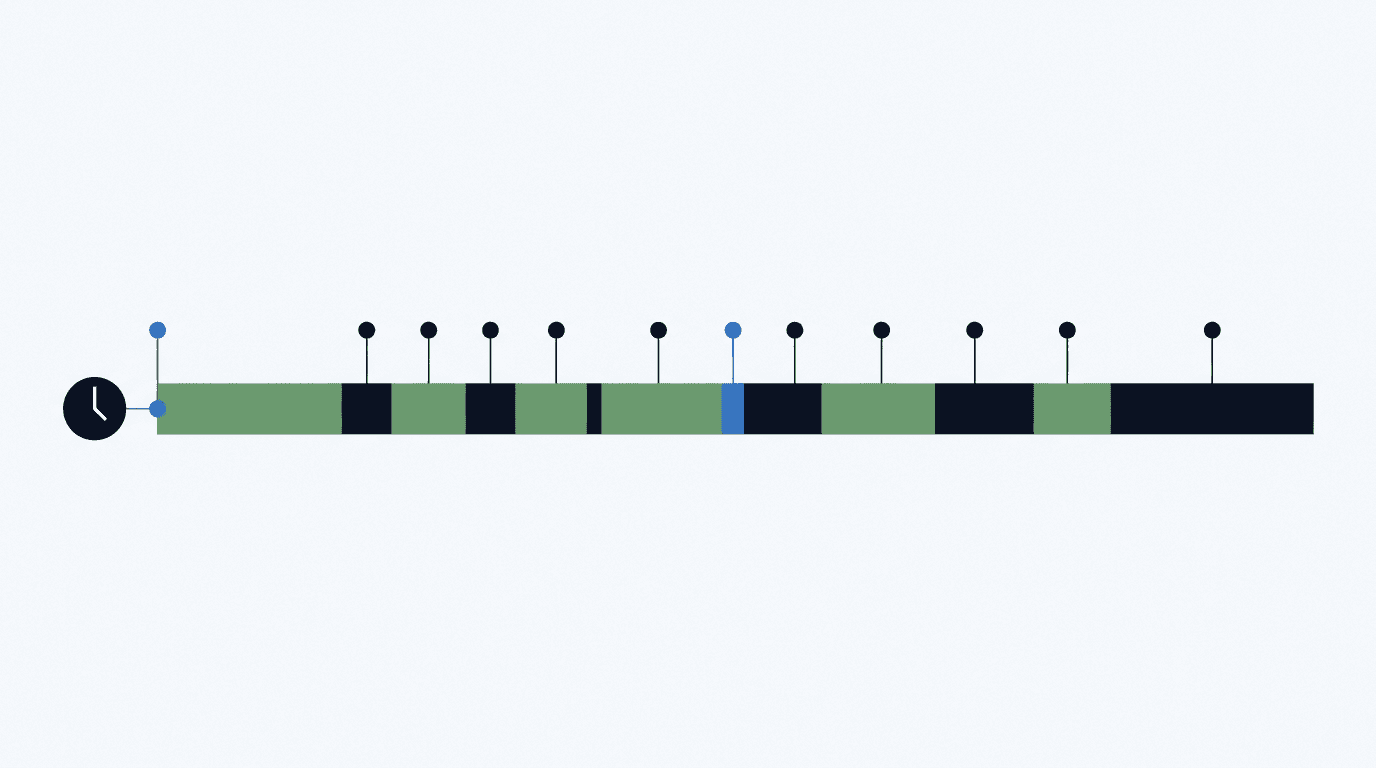
What a run of show is (and is not)
A run of show is the operational timeline for the live event: every segment, its exact start and end time, the person responsible, and the technical cues around it. It is not the attendee-facing agenda, which is the tidy public version. The run of show is the backstage document your AV team, stage manager, and speakers work from, and it is far more detailed.
The difference matters because the run of show has to answer questions under pressure: the keynote is running four minutes long, who gets cut? The panelist did not show, what fills the slot? A good run of show already has the answer written down.
The columns every run of show needs
Keep it to a simple table. The columns that earn their place:
- Time — start and end for each segment, not just start. End times force you to add up the day and catch overruns before they happen.
- Segment — what is happening (doors open, welcome, keynote, transition, panel, break).
- Owner — the one person responsible for that segment starting on time. One name, not a team.
- Cue / AV — lights, mics, slides, music, video roll. What the technical crew needs to do and when.
- Notes — the contingency. What to cut if you are behind, who to hand off to, the thing that always goes wrong here.
How to build one, step by step
Start from the fixed points
Lock the times that cannot move: doors, meals, the keynote, the hard stop. Everything else flexes around these.
Work backward and forward from each fixed point
Fill in transitions, introductions, and buffers. Transitions always take longer than you think; give each one a real time slot, not zero.
Assign one owner per segment
If a segment has no owner, it will start late. Name the person, not the department.
Add the cues
Walk the day from the AV team's point of view. Every mic change, slide advance, and music sting gets a line so nobody is guessing in the moment.
Build in slack
Put five to ten minutes of buffer before anything critical. The buffer is what saves the keynote when the morning runs long.
Write the contingencies
For each risky segment, note what gets cut and who decides. Decisions made calmly the week before beat decisions made in a panic on the day.
Where AI saves you the most time
The slow part of a run of show is not the thinking, it is the formatting: turning a rough agenda into a clean, timed, column-structured document, then rebuilding it every time a segment moves. That is exactly the kind of structured, repetitive work AI handles well. Feed it your agenda and event length and it drafts the full table, times and transitions included, in the time it takes to get coffee. You review, adjust the judgment calls, and add the contingencies it cannot know. It gets you to 80% so you spend your time on the 20% that needs a human.
Common mistakes
- No end times. Start-only timelines hide overruns until they compound. Add up the day.
- Zero-minute transitions. Nobody teleports between segments. Give transitions real time.
- Owners as departments. "AV" does not start a segment; a named person does.
- No contingency column. The plan that has no plan-B is the plan that fails live.
Frequently asked questions
- What is a run of show?
- A run of show is the minute-by-minute operational timeline for a live event: each segment with its start and end time, the person responsible, and the technical cues around it. It is the backstage document the crew and speakers work from, more detailed than the public agenda.
- What is the difference between a run of show and an agenda?
- The agenda is the attendee-facing summary of what happens and roughly when. The run of show is the backstage version with exact times, owners, AV cues, and contingencies. The agenda tells guests what to expect; the run of show tells the team what to do.
- How detailed should a run of show be?
- Detailed enough that someone could run the segment without asking you. Every segment needs a start and end time, one named owner, the AV cues, and a note on what to cut if you fall behind. Transitions get their own lines, not zero time.
- Can AI write a run of show?
- AI can draft the structure fast: it turns your agenda and event length into a timed, column-formatted table in minutes, including realistic transitions. You still add the contingencies and judgment calls it cannot know, but it removes the tedious formatting and rebuilding.
Draft your run of show in minutes
The free Run-of-Show Generator turns your agenda into a timed, editable run of show. No cost, no sign-up wall.
Try the free GPT