You scored your own week. The audit scores the whole team's.
In two weeks, every recurring workflow your team runs gets scored on the same 0 to 10 scale, with the hours behind each one, an individual playbook for every person, and a 30-day roadmap your leadership can fund. Under three hours of your team's time in total.
Haven't scored yourself yet? The free three-minute assessment runs the same scale on your own workflows first.
Every workflow, scored
- Post-event reporting2/10
- Vendor and venue RFPs3/10
- Run of show and timelines3/10
- Sponsor recaps5/10
- Budget reconciliation6/10
Then the part that gets it funded
The gap to 10 on each row, priced in hours, ranked into the three builds worth starting in the next 30 days.
Same scale. Everyone's week instead of yours.
The free assessment is the audit pointed at one person. Nothing about the method changes when it runs across a team, but four things change about what you can do with the answer.
| Free assessment | Team AI Readiness Audit | |
|---|---|---|
| Who gets scored | You, on the tasks you named | Everyone who owns recurring work, on the tasks they name themselves |
| Workflows covered | Up to three | Every recurring workflow the team surfaces, typically eight to twelve |
| The hours number | An estimate from your own answers | Built from what each person reports about their own week, then reconciled |
| What you do next | One fix, written for the tooling you named | A ranked 30-day roadmap with an owner against each build |
| Who else can read it | You, and anyone you forward it to | A business case written for whoever approves the budget |
What leadership thinks the week costs, next to what the team reports.
The kickoff asks you to estimate what each workflow costs before anyone on the team answers anything. The survey then asks the people doing that work to describe their own week. The report puts the two numbers on the same row.
Where they match, you already have a decision-ready picture and the audit confirms it. Where they diverge, you have found work that nobody upstream can see, which is usually the work that has never been fixed because nobody knew it needed fixing.
The rows below come from the demo audit that also backs the sample report: a ten-person agency running eighteen events a year.
Post-event reporting was estimated at three hours and reported at nine. That row alone moved it to the top of the build list.
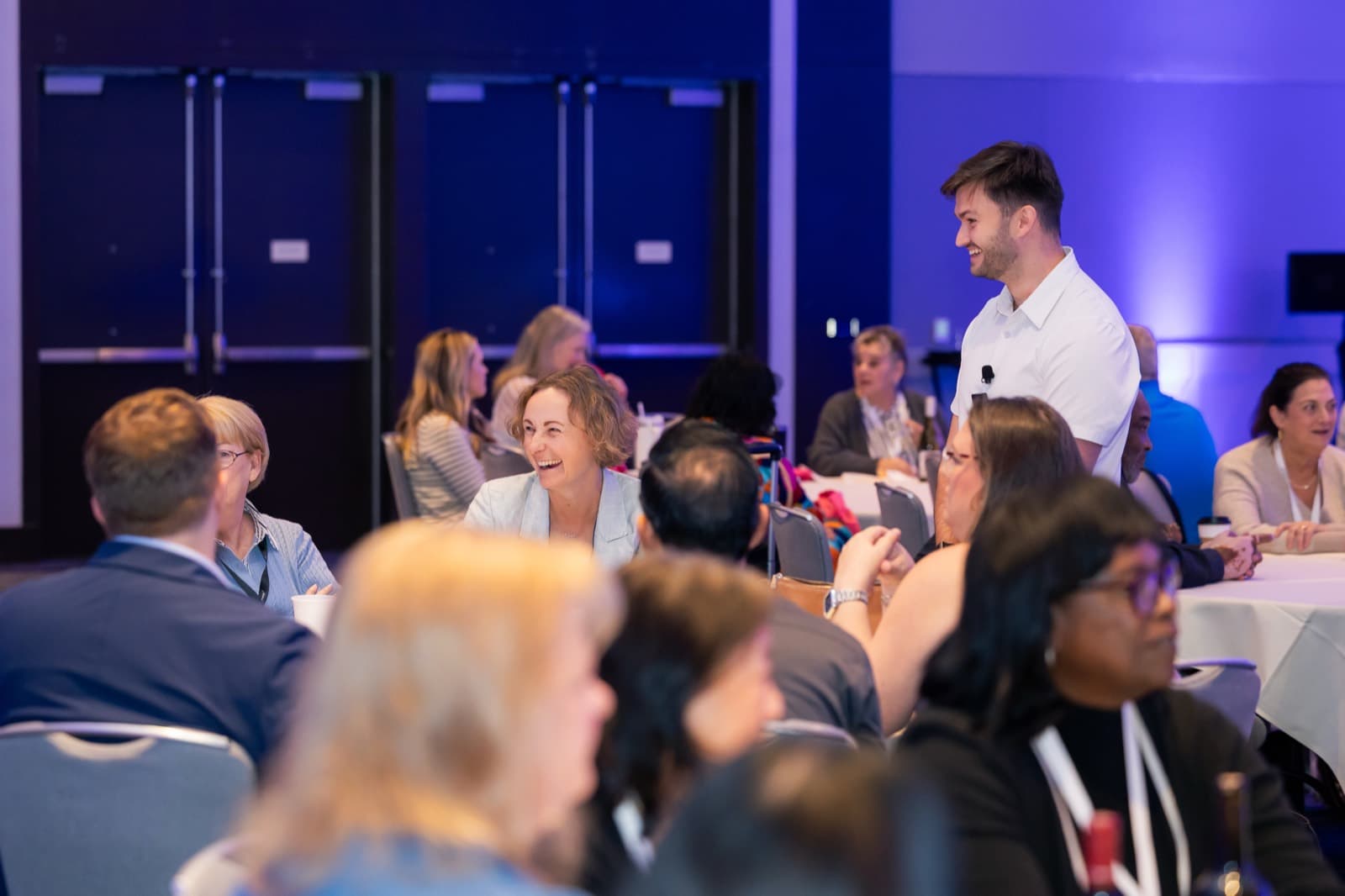
Nobody can place their team on a maturity model. Everybody can tell you what ate their Tuesday. The audit asks the second question.
One written report, five sections, yours to circulate.
The report is called your AI Roadmap. It is written to be forwarded, because the person who approves the budget is usually not the person who sat through the findings call.
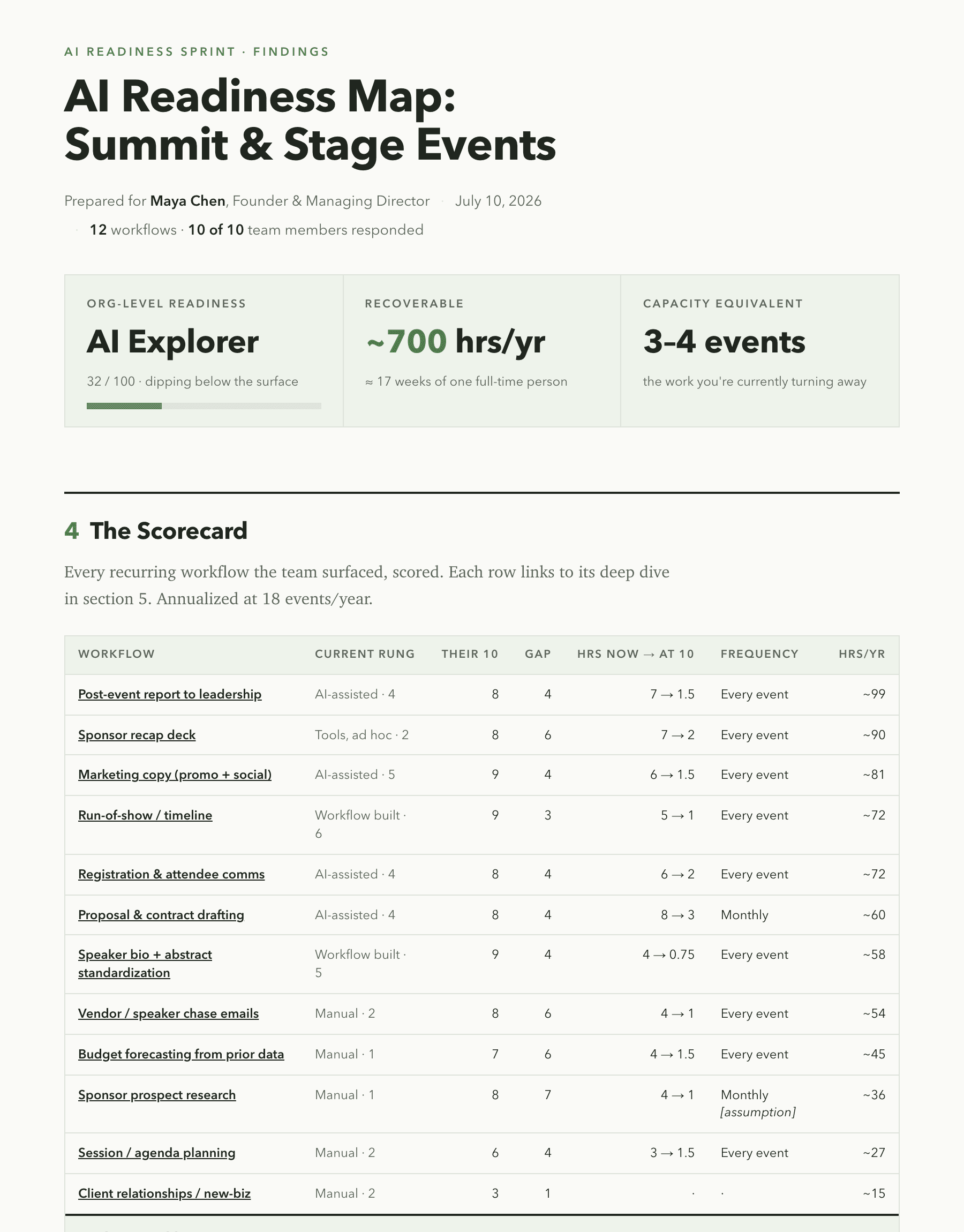
Sample: the demo audit of a ten-person agency at eighteen events a year.
The 0 to 10 scorecard
Every recurring workflow placed on the same scale the free assessment used, with the gap to a realistic 10 and the hours sitting inside it.
The leadership blind spot
What leadership estimated each workflow costs, next to what the people doing it reported. This is usually the section that changes the conversation.
An individual playbook per person
Each team member gets their own before-and-after by workflow, and the one change to make first. Nobody has to work out which part of the report was about them.
Your first 30 days
The top three workflows to build, ranked by payoff, with a named owner and rough effort against each one.
The business case
Recoverable hours, the cost of leaving it alone, and the capacity those hours buy back, written for the person who approves spend rather than for the person who ran the audit.
Two weeks, and under three hours of your team's time.
The audit is built to stay out of the way of whatever event you are currently running, which is why the team's part is asynchronous and the heavy week needs nothing from anyone.
- Before we start15 min, you only
15-minute fit call
We confirm the team is the right shape for this and agree the scope in writing before anything is scheduled. If it is not a fit, I say so on the call.
- Week 160 min, you only
Kickoff interview
A structured session with whoever runs the team: how the work actually flows, what has been tried, and your own estimate of what each workflow costs. That estimate becomes one half of the blind-spot comparison.
- Week 1About 15 min per person
Async team survey
Each named owner describes their recurring tasks in their own words, by text or voice memo, whenever it suits them. No meeting, no calendar hunting.
- Week 2None of your team's time
Synthesis
I score every workflow, reconcile the leader estimates against what the team reported, and assemble the roadmap and the business case. Nothing needed from you here.
- Week 260 min, whoever you invite
Findings call, then the report
We walk the scorecard and the roadmap together, decide what gets built first, and you keep the written report to circulate.
The audit fits if
- You run five or more events a year
- Your team is roughly five to fifty people
- You already pay for an AI subscription the team underuses, whether that is ChatGPT, Copilot, Gemini, or Claude
- Someone internally is willing to own the first build once the roadmap is delivered
Something else fits better if
You are a team of one
There is no blind spot to find when one person does everything. The solopreneur track builds the workflows with you instead of surveying anyone.
See the solopreneur trackYou already run AI systematically
If your team reuses saved workflows and the tooling is connected, an audit tells you what you know. Ad-hoc senior advisory is the better use of the money.
Talk about advisoryYou know what to build and want it built
Skip the assessment. Implementation coaching ships three production systems in six weeks with your team in the room.
See implementation coaching
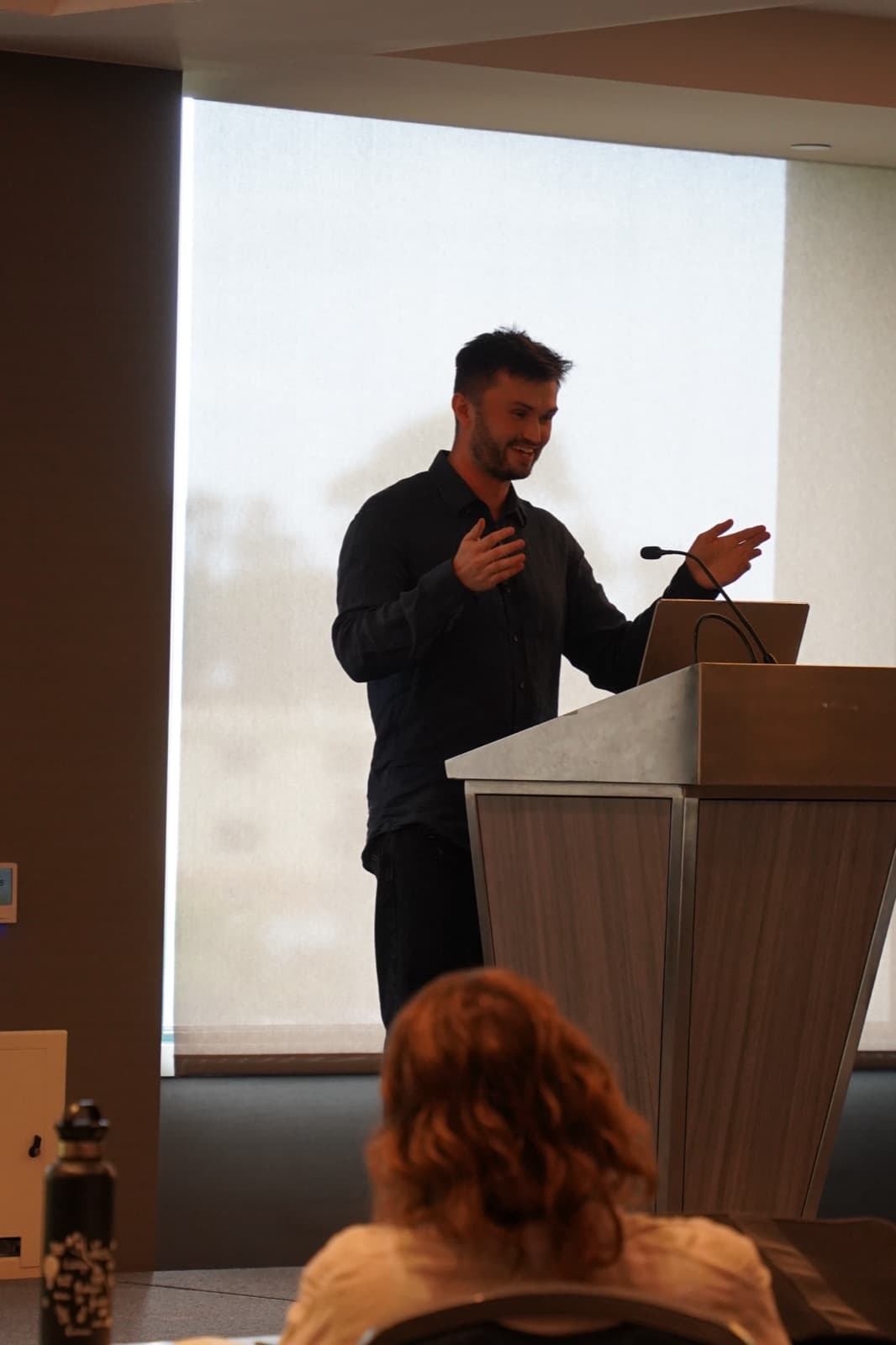
I run Silicon Valley Speakers, a bureau representing leading AI keynote speakers from OpenAI, Google, Anthropic, and Apple, and I operate the whole company on the same playbook this audit scores you on. The audit exists because event teams kept asking the same question after my talks: where do we actually start?
Noah Cheyer · Founder, Silicon Valley Speakers · MPI WEC speaker
Featured at



 Smart Meetings

What teams ask before the fit call.
How is this different from the free AI readiness assessment?
+−
Same scale, much wider read. The free assessment scores the workflows you personally name and gives you one fix. The audit scores every recurring workflow across everyone who owns one, reconciles what leadership thinks the week costs against what the team reports, and ends in a ranked roadmap with owners and a business case. Taking the free one first is the fastest way to see whether the method is worth running on the team.
How much of my team's time does it take?
+−
Under three hours in total. One 60-minute kickoff with whoever runs the team, about 15 minutes per person on the async survey, and a 60-minute findings call at the end. The synthesis week needs nothing from anyone.
Do you build anything during the audit?
+−
No. This is assessment and advisory, and it says so in the agreement. Building the roadmap out is a separate engagement, and plenty of teams take the roadmap and build it themselves. That is a fine outcome.
What if the team gives vague answers to the survey?
+−
The survey asks people to describe their own recurring tasks rather than rate their AI maturity, because everyone can describe their Tuesday and almost nobody can place themselves on a maturity model. Where answers are thin, the kickoff notes and sample artifacts you send over fill in the rest, and anything still unclear gets flagged in the report rather than guessed at.
Does it matter which AI tools we already pay for?
+−
No, and the audit is scored against whatever you already have. The roadmap names real steps inside your existing stack rather than telling you to adopt something new. If a tool is the thing standing in the way, that shows up as a finding with the cost attached.
What does it cost?
+−
Pricing tracks your team's size and is scoped in writing after the 15-minute fit call, alongside the full deliverable list. You see the number and the scope before you commit to anything.
Who sees our answers?
+−
Me, and whoever you choose to share the report with. Individual survey responses inform the report and are not circulated back to the team as named quotes unless you ask for that.
What happens to the report after the findings call?
+−
It is yours. Teams typically use the business case section to fund the next phase internally, whether they build it with me or on their own.
The audit is step one of three.
Most teams assess first, build the top of the roadmap next, then keep the systems healthy on retainer. You are welcome to start on whichever rung matches where you already are.
Find the hours before you build anything.
Fifteen minutes to confirm the team is the right shape for an audit and agree the scope in writing. If it isn't a fit, I'll tell you on the call and point you at the thing that is.