How to plan a corporate event with AI: a step-by-step guide
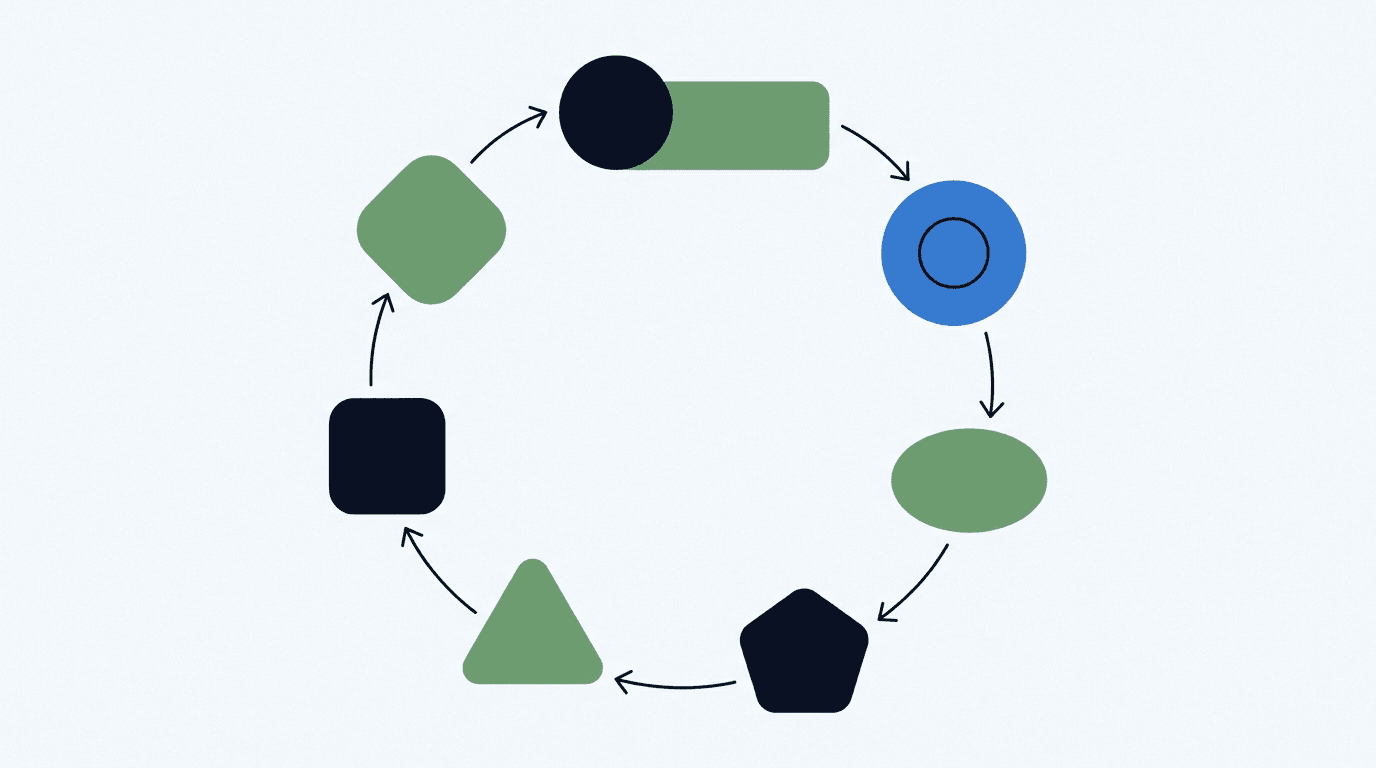
Planning a corporate event is less about creativity and more about running a process without dropping anything. From the first brief to the final debrief, the same phases repeat every time. Here is the full process, step by step, and the specific points where AI saves an event team the most hours.
Step 1 — Nail the brief before anything else
Every good event starts with one sentence: what should attendees think, feel, or do differently afterward, and how will you know it worked? Write the goal and the one success metric down first. Everything, the format, the budget, the speakers, follows from that. A fuzzy goal produces a busy event that changes nothing.
Step 2 — Set the budget and the date
Lock the total you cannot exceed and the date, checking for conflicts with holidays, industry events, and your own audience's calendar. The event budget drives every choice that follows, so build it early.
Step 3 — Venue, format, and agenda
Choose the format that serves the goal, in-person, virtual, or hybrid, then the venue, then draft the high-level agenda. Match the format to the outcome you wrote in step one rather than to habit or what you did last year.
Step 4 — Speakers, sponsors, and content
Confirm speakers and collect what you need from each; line up sponsors if the event has them (see how to get sponsors); and build the content plan. This is the phase with the most moving parts and the most email.
Step 5 — Run of show and final logistics
Turn the agenda into a real run of show with times, owners, and cues. Confirm every vendor's arrival, finalize headcount, prepare badges and signage, and walk the day with the people responsible for each segment.
Step 6 — Run it, then debrief
On the day, run from the run of show, not from memory, and assign someone to capture moments. Afterward, send the post-event survey within 24 hours and hold a debrief while it is fresh. The debrief is what makes the next event easier.
Where AI saves the most hours
AI does not plan the event; you do. But it removes the repetitive drafting at four specific points: building the timeline and checklist, drafting the run of show, writing attendee communications, and analyzing the post-event survey. Those four tasks are where event teams lose the most hours to formatting and rewriting, and they are exactly what AI is good at. Used at those points, it gives a small team the output of a larger one. The full walkthrough is in how to use AI for event planning.
Frequently asked questions
- How do you plan a corporate event step by step?
- Start with the brief and success metric, set the budget and date, choose the format, venue, and agenda, confirm speakers and sponsors, build the run of show and final logistics, then run the event and debrief. Each phase follows from the goal you define first.
- How far in advance should you plan a corporate event?
- For a substantial event, three to six months for the foundation work, with the build phase in the one-to-three-month window and final logistics in the last 30 days. Smaller events compress this but keep the same order.
- Where does AI help most in planning a corporate event?
- At four repetitive points: building the timeline and checklist, drafting the run of show, writing attendee communications, and analyzing the post-event survey. AI removes the formatting and rewriting at those steps, which is where event teams lose the most hours.
See exactly where AI fits
The full walkthrough shows the five event workflows where AI saves real hours, with the prompts that work.
Read the walkthrough