How to write an event RFP (with an AI first draft)
A good RFP gets you comparable, accurate bids and saves you from the vendor surprises that show up later. A vague one gets you quotes you cannot compare and a venue bill with line items you did not expect. Here is what an event RFP needs to include, a structure you can reuse, and how to draft a tailored first version with AI instead of starting from a blank page.
What an RFP is for
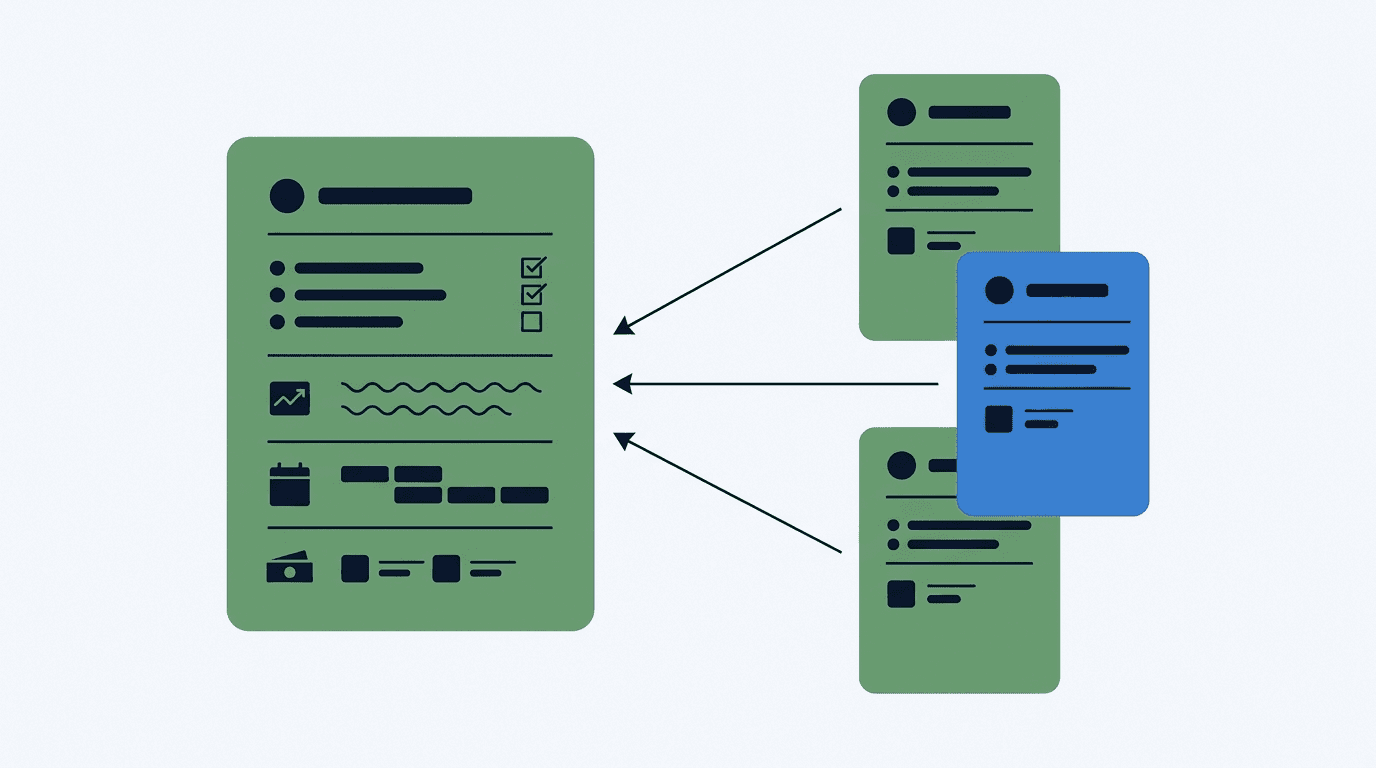
An RFP, request for proposal, tells a venue or vendor exactly what you need so they can quote accurately and so you can compare quotes fairly. The whole value is in being specific: the more precisely you describe the event, the more accurate and comparable the bids come back, and the fewer surprises appear on the final invoice.
What every event RFP needs
- Event overview — type, purpose, and dates, including setup and teardown days.
- Attendee numbers — expected headcount and any room-by-room breakdown.
- Space requirements — the rooms and layouts you need, and for what.
- Food and beverage — meals, breaks, and any dietary or service requirements.
- Audio-visual and technology — what you need the venue to provide versus bring in.
- Dates and flexibility — preferred dates and whether you can flex for a better rate.
- Budget guidance — a range if you are willing to share it; it gets you realistic bids.
- What you want back — the exact format and deadline for their proposal, so bids are comparable.
Be specific about the deliverable
The single thing that makes RFPs comparable is telling every vendor to respond in the same structure. If one sends a spreadsheet and another sends a brochure, you cannot compare them. Ask for the same line items, in the same order, by the same date. This one instruction saves hours of untangling later.
Draft it with AI, then tailor
The blank RFP is the slow part, and RFPs are repetitive documents with a standard shape, which is exactly what AI drafts well. Tell it your event type, headcount, dates, and requirements, and it produces a structured RFP with the standard sections filled in, including the ones teams forget like setup days and response format. You then tailor the specifics and add anything unique to your event. It removes the blank page, not your judgment.
Frequently asked questions
- What should an event RFP include?
- An event overview with dates, attendee numbers, space and layout requirements, food and beverage needs, AV and technology, date flexibility, budget guidance if you will share it, and a clear statement of the format and deadline for their proposal so bids are comparable.
- How do you make vendor bids comparable?
- Tell every vendor to respond in the same structure: the same line items, in the same order, by the same deadline. If one sends a spreadsheet and another a brochure, you cannot compare them. Standardizing the response format saves hours of untangling later.
- Can AI write an event RFP?
- Yes, for the first draft. Given your event type, headcount, dates, and requirements, AI produces a structured RFP with the standard sections, including commonly forgotten ones like setup days and response format. You then tailor the specifics, so it removes the blank page rather than the judgment.
Review the winning bid
When quotes come back, the free Contract Auditor GPT flags risk and missing protections in the vendor contract.
Try the free GPT